



At the University of North Georgia, members of the biology department are working to promote wildlife conservation by keeping gardens on the Dahlonega and Oconee campuses.
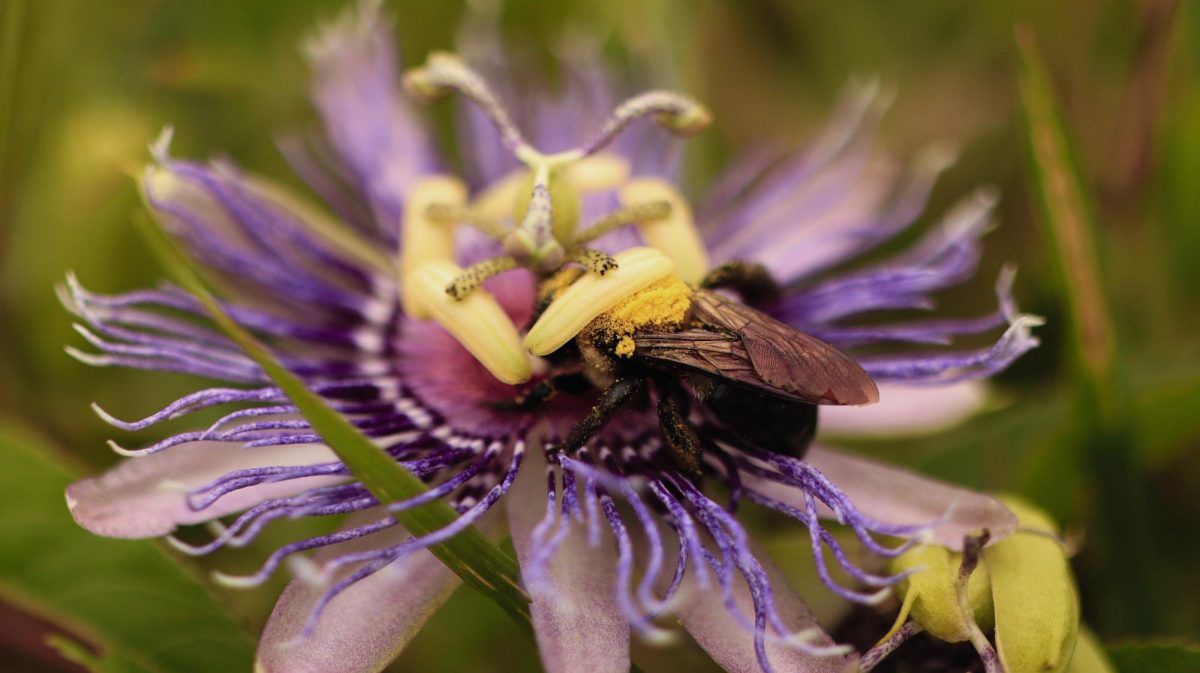
These gardens serve as habitats for pollinators, research sites for students and public spaces for community engagement.
On the Oconee campus, Senior Lecturer of Biology Susan Brantley oversees a pollinator garden, which is registered with the Rosalynn Carter Butterfly Trail and serves as an outdoor classroom.
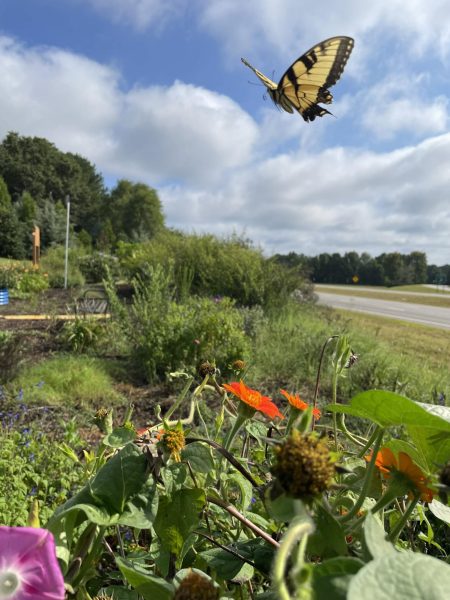
Established in 2018 by former Director of Campus Success and Strategic Retention Initiatives Gary Adcox, the garden was originally intended to grow vegetables for the campus food pantry. After Brantley became involved in 2020, it was expanded to include flowers.
While the garden attracts numerous insect species, Brantley says being a part of the RCBT requires putting special attention towards monarch butterfly conservation.
“The monarch habitat is rapidly disappearing, and everyone is concerned about it,” she says, adding that planting native milkweed, the only plant monarch caterpillars can eat, is an “important” initiative of the garden.
Students in Brantley’s introduction to ecology course track pollinator activity in the garden each August and report their findings to the Great Southeastern Pollinator Census, a University of Georgia Extension initiative focused on pollinator conservation.
Brantley says about 75 students participate in collecting data for the census each fall semester, and the project depends on the 15 to 20 students who take the course in the spring to plant the flowers that will attract pollinators by August.
The garden also attracts independent student researchers, like sophomore biology major Maya Hughes, who previously took Brantley’s class and will conduct pollinator research there this summer. Hughes says she does not yet know the specific focus of her study, but is “very excited” to return to the garden.
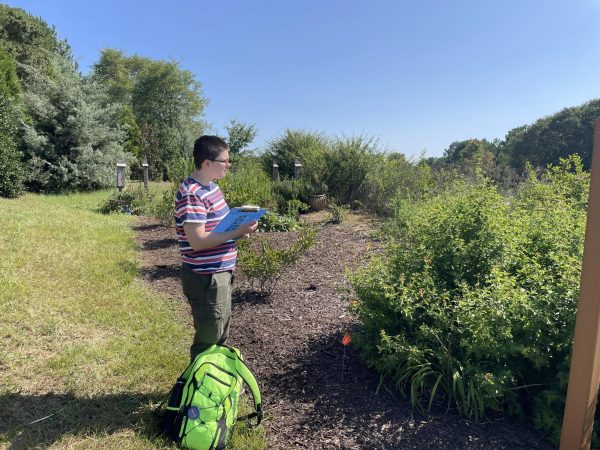
“I think the pollinator garden is kind of underrated,” she says. “People don’t really enjoy it as much as they should.”
On the Dahlonega campus, similar conservation efforts are underway.
Last year, Assistant Professor of Biology Chris Leaphart founded Critters and Blooms, a program designed to create educational gardening spaces.
This semester, its members are preparing to plant flowers near the Vickery House and in the Hometown Harvest community garden. Once the flowers bloom, Leaphart says students will harvest them and give away free bouquets to members of the UNG community.
“We can teach students how to grow their own cut flowers and how to take care of them, so that they’re able to have flowers to put in their homes or to give away to brighten someone’s day,” Leaphart says.
He says the flowers will also attract pollinators to the Hometown Harvest vegetable crops, using his experience planting flowers in his personal vegetable garden as an example.
“Any given sunny day, I could go out and there would be hundreds of butterflies and bees and beetles and pollinators flying around,” he says. “It was truly incredible, and I noticed that our vegetable garden did so much better as a result of that.”