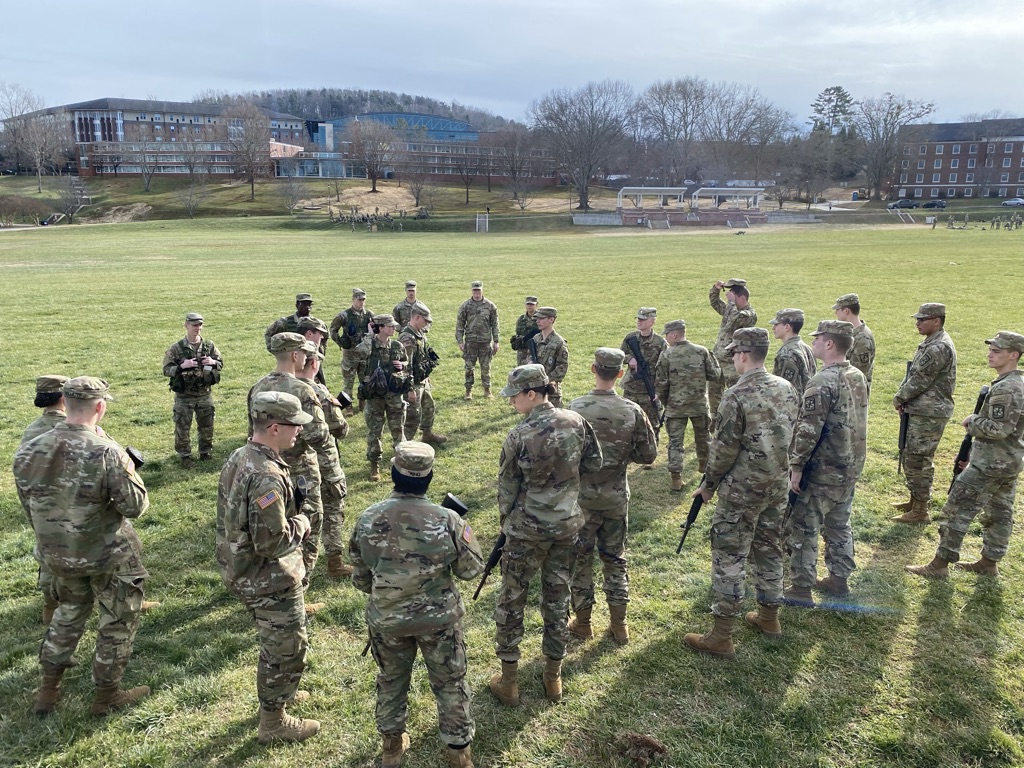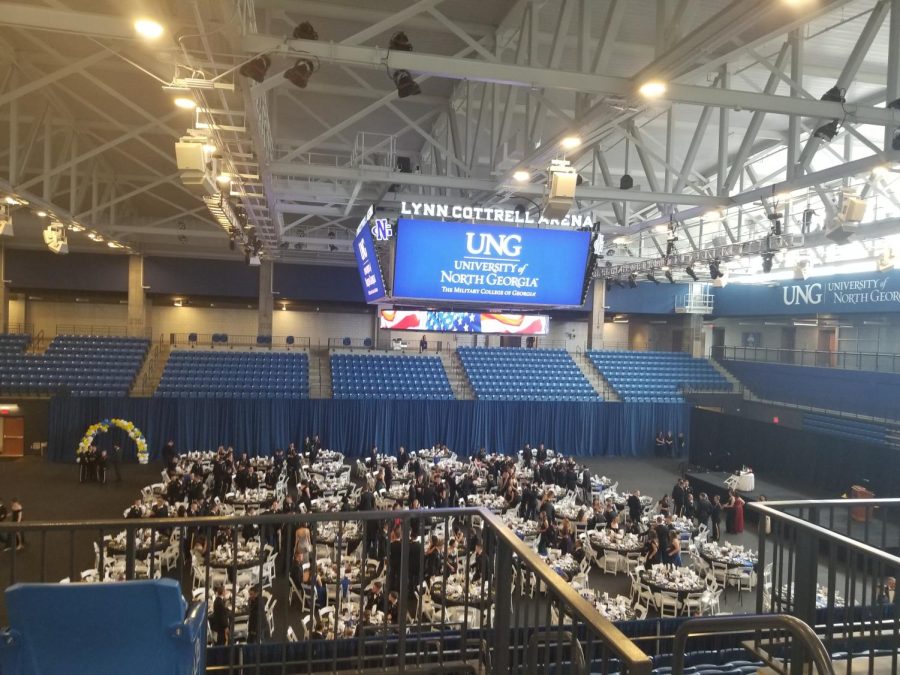




As Greek Life at the University of North Georgia grows, now totaling 917 members across fraternities and sororities, one group is shaping the growth in unexpected ways: the Corps of Cadets. With 511 cadets active in Greek organizations, their involvement reflects not only how it’s expanding, but a shift in how many cadets experience college, community and connection.

Alyson Paul, vice president of Student Engagement, said for cadets who often spend long days in structured, high-pressure environments, joining a fraternity or sorority gives them balance. “It gives them a reprieve to not always be in the Corps,” she said. “A chance to be a normal college student alongside everything else they have going on.” Greek life can also help students discover who they are beyond their major, rank or uniform. “Each organization helps students understand what values they hold within themselves,” she said. “They refine what’s important to them.”
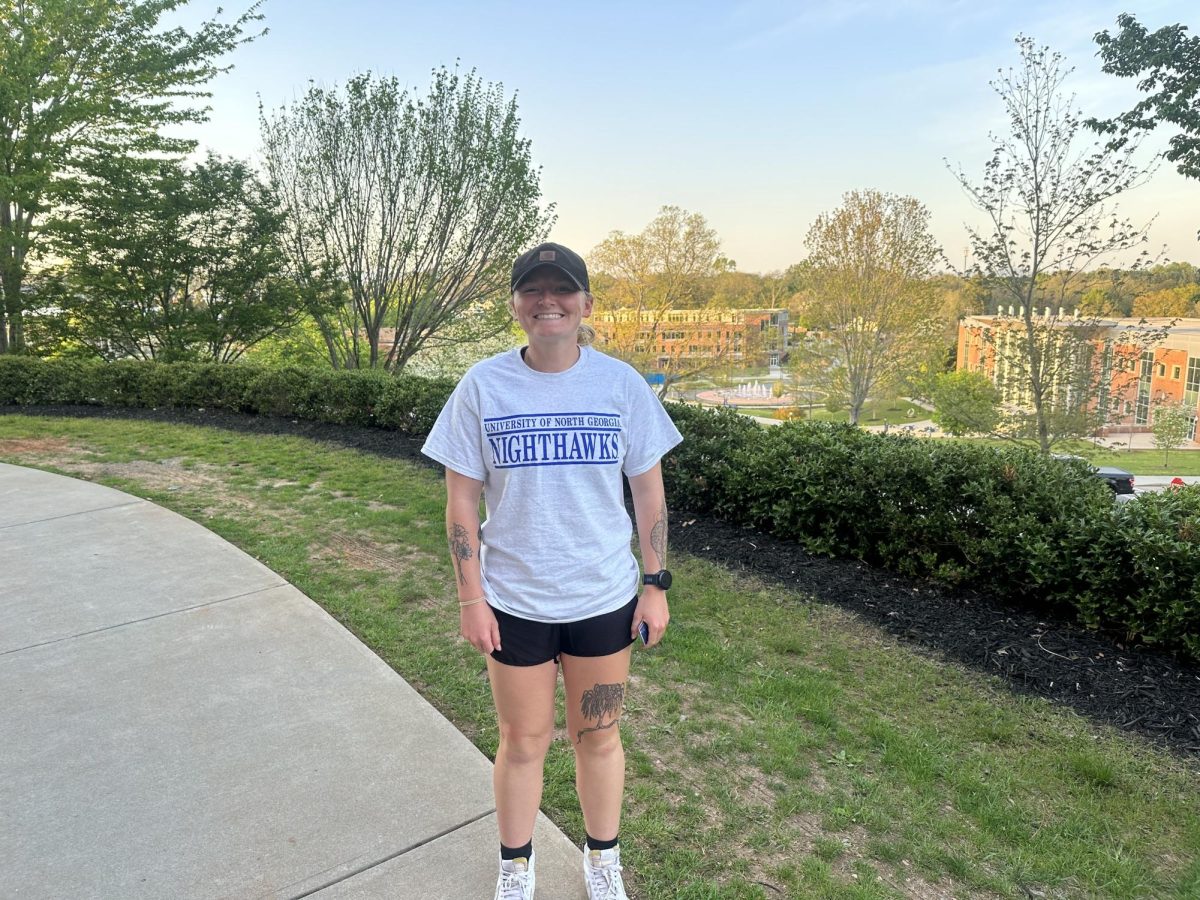
Some cadets say that clarity comes from finding connection. Kate Williams, a junior, Staff Sergeant, and squad leader in Delta Company, said a need for connection is often what drives cadets toward recruitment. “Cadets come in wanting to find their people,” she said. As a member of Phi Mu and the Senior Experience Committee head, Williams says she has seen cadets benefit from having a support system outside military life, and it allows them to be seen through a different lens. She says being involved in campus life beyond the Corps helps civilians “see cadets as normal college students,” breaking down assumptions on both sides.
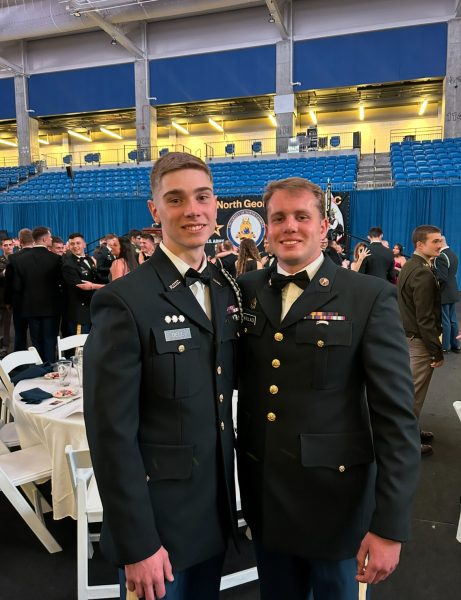
Liz Arts, director of Sorority and Fraternity Life, says she sees that impact campus-wide. She supports cadet participation not only because they want the opportunity, but because of what they bring to the table when they show up. “We want them to be involved and build relationships with anyone across campus,” she said, adding that cadets often contribute maturity and focus. “Most of the cadets are a lot more professional and can think logically.” With demanding schedules, Arts emphasized that “cadets handle their commitments really well and often elevate the standards in the chapters they join.”
Senior Adam Wallace, Delta Company Executive Officer and Historian for Pi Kappa Phi, says managing both communities doesn’t feel like a sacrifice, it simply requires structure. “Good time management skills and discipline” make it possible, he said. Williams agreed that balancing the Corps and Greek life has shaped her in meaningful ways, describing the experience as “the best of both worlds.” Neither said they feel pressured to act differently in either organization. Instead, they said, being part of both organizations pushes them to consistently hold themselves to a higher standard.
Paul described Greek life as “the most student-led organization on campus,” one that produces leaders who go on to serve not only locally, but with national organizations. She said as chapters grow, so do opportunities for students to hold higher-level roles, develop programming and strengthen their organizations from within. “More people involved means more engaged students,” Paul said. “It impacts the community and keeps students here.” Stronger retention has been one of the clearest outcomes of UNG’s expanding Greek Life system.
Growth has been steady, Arts said, and cadets play a meaningful role in that momentum. Though she noted that while cadet interest has been “very stagnant and staying the same,” the impact has not. Their presence brings accountability and a perspective shaped by military training. Arts said their involvement helps
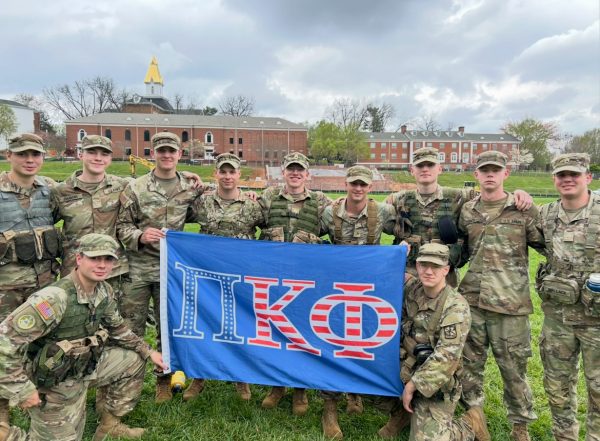
chapters as they build programming and deepen their education efforts. “I see a lot more structure and loyalty because they are part of Greek life and the executive councils,” she said.
For civilian students, the presence of cadets in Greek life brings understanding and connection. Williams said, “It helps bridge social gaps on campus, creating shared spaces where military and civilian students build friendships that might not happen elsewhere.” It also humanizes cadets who spend much of their time in uniform. Wallace said Greek life gives cadets somewhere to decompress, which is important in order to navigate the demands of the Corps. “It gives you something to do outside the Corps and a reason to stay and be part of college life,” he said.
As Greek life evolves, Paul said she anticipates new chapters, stronger programming and higher engagement, changes she believes will benefit cadets and civilians alike. With long-term plans such as a Greek lodge concept under discussion, she said the university hopes to support Greek life’s continued growth. “The larger it is, the more engaged students are,” Paul said. “Our students will graduate on time, and we’ll have more active alumni.”

Administrators, cadets and civilian members all agree: the intersection of the Corps and Greek life is becoming a defining feature of the UNG experience. As both communities grow, cadets are shaping the chapters they join and the culture of Greek life itself.