




A fixture of northeast Georgia’s racing culture since 1982 faces an uncertain future following its recent sale, raising questions about the future of accessible motorsports venues in the region and the broader transformation of small racing tracks across the country.
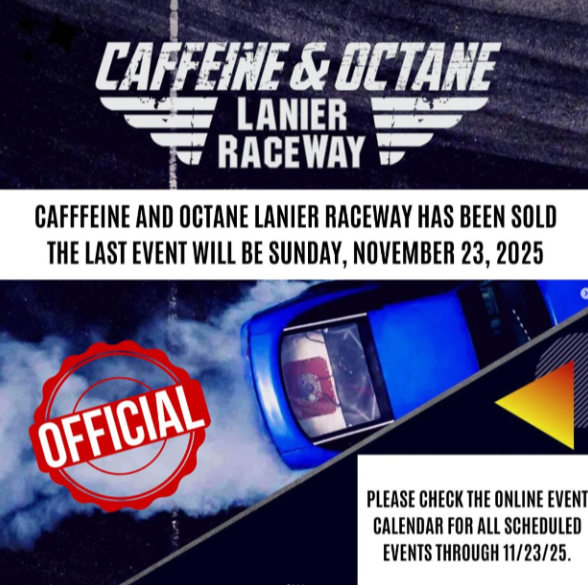
Caffeine and Octane’s Lanier Raceway, which operated as one of Georgia’s premier grassroots motorsports destinations, will close its gates for the final time on Nov. 23 after changing hands to a private development company. The track’s sale has created confusion and controversy within the motorsports community, with conflicting reports about whether the racing surface will be preserved or demolished to make way for residential and commercial development.
The one third mile paved oval, located across from Michelin Raceway Road Atlanta on Winder Highway, was established as Lanier National Speedway in 1982 by racing legend Bud Lunsford. After hosting NASCAR Busch Series races between 1988 and 1992, the track ceased weekly racing operations in 2011. For more than a decade, the facility sat largely dormant until High Octane Events, the organizers behind the monthly Caffeine and Octane car shows, acquired it in 2022 and revitalized it as a drifting and autocross venue.
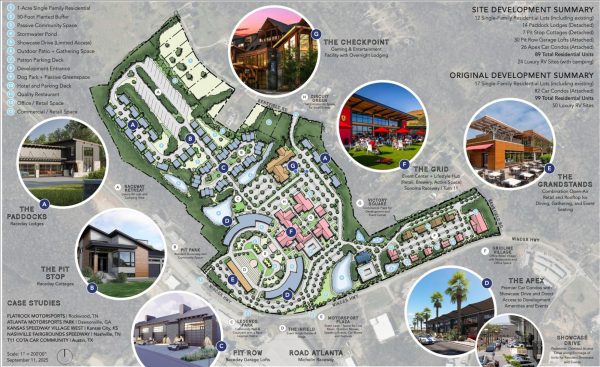
When news of the sale broke in early October, initial reports suggested the development company planned to remove the racing surface entirely and construct an upscale residential community featuring car condos, short-term rental cottages and hotel accommodations, plans strikingly similar to a proposal rejected by local planners in 2021.
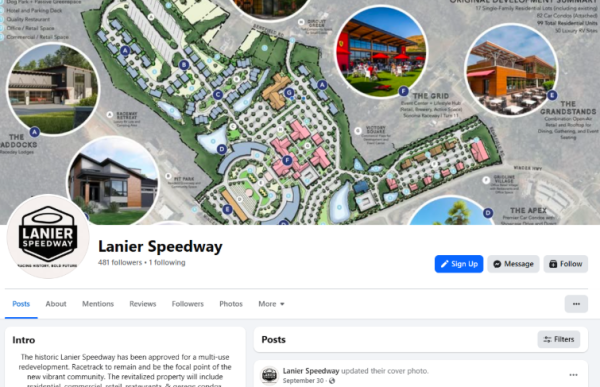
However, a new Facebook page and website appeared simultaneously bearing the name “Lanier Speedway” with a vague promise that, “the track will remain” and, “events will continue.” The anonymous individual managing the social media accounts has declined to identify the new ownership or provide specific details about future plans, instead stating that, “plan revisions and updates will happen in weeks to come.”
Before its closure, Lanier hosted approximately 22 events monthly, offering entry-level opportunities for drivers to participate in drifting, autocross and time attack competitions at costs between $10 and $20 per event.
The track’s sale reflects a nationwide trend in which racing facilities are being converted into luxury real estate developments. The economics are stark: development of upscale residential properties generates significantly more revenue for property owners than operating a racing venue, particularly when track operators face rising insurance, maintenance and labor costs.
Nearby Atlanta Motorsports Park, or AMP, has recently completed trackside condominium construction, demonstrating market demand for such properties among affluent automotive enthusiasts. Similarly, redevelopment plans for Lanier include specifications for luxury car condos and high-end lodging, suggesting the new ownership is pursuing a comparable model.
“Lanier Raceway is built on 60 acres… Most of that acreage is heavily wooded forest and has not been utilized properly. For a venue to survive, it needs to generate enough revenue to resist pressure from real estate developers and ensure it can cover staff salaries and emergency services.” — Richard Blanch, Assistant Event Director of Caffeine & Octane when asked about the selling of the raceway
Caffeine & Octane officials posted a statement in October on their Instagram account confirming the sale but providing no details about the new ownership. The company said it planned, “a huge 2026” featuring the return of Caffeine and Octane at the Beach, OctaneFest and the traveling Caffeine & Exotics tour which are events that can occur at alternative venues.
The Lanier closure marks the loss of an accessible grassroots motorsports hub at a time when entry-level racing opportunities are increasingly limited and expensive. High-performance driving experiences at Road Atlanta, the nearby professional road course, cost between $379 and more than $500 for a single event, excluding insurance, tires and brake wear.
The final event at Lanier Raceway is scheduled for Nov. 23. Until then, the track continues to host its last remaining drift nights. Whether or not the racing surface survives under new management remains unknown.
The development company has not responded to requests for comment. Local planning and zoning officials also declined to discuss any pending development applications, citing the confidential nature of ongoing submissions.


Tom Payne • Dec 13, 2025 at 9:54 am
This is an excellent article that I am sharing with my racing friends. I have no doubt that a similar fate would have taken Road Atlanta back in the late-90s but for Don Panoz. I like to hope that Road Atlanta’s future as a motorsports venue is secure but you never know.