




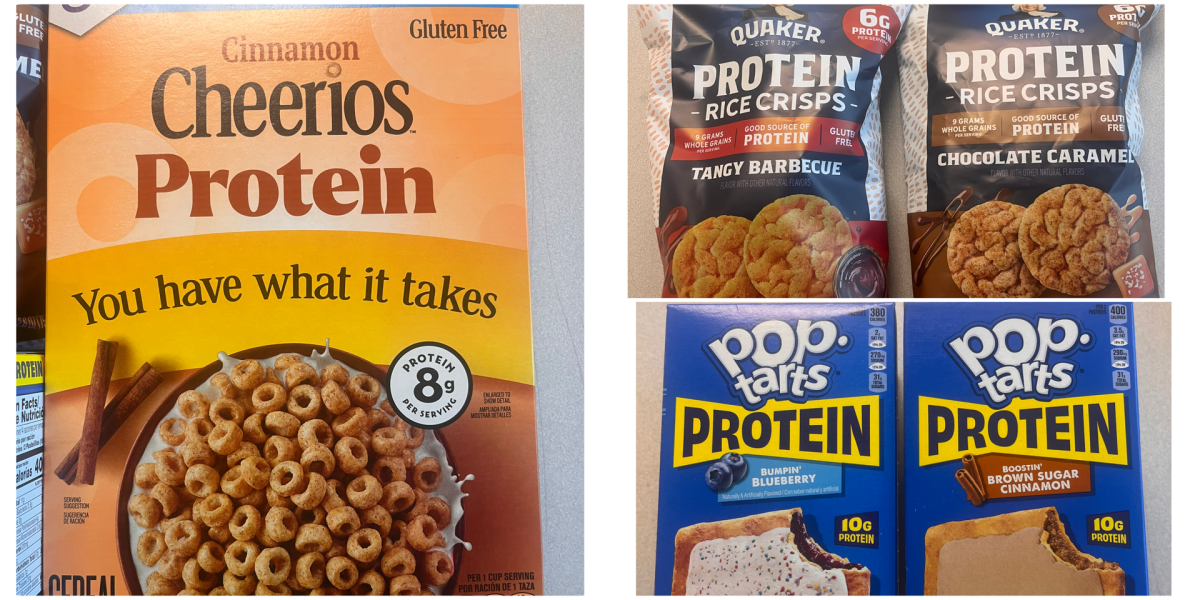
Eating protein has never been easier. Protein usage has been rising in recent years, with brands branching out to create new protein-based options for consumers. Protein items like cereals, shakes and snacks can be found on many isles in local grocery stores and are becoming increasingly available due to a health frenzy, making people more aware of what they put in their bodies.
“I think fitness has gotten people into a frenzy. Along with this, markets often promote protein as the key to muscle growth and weight management. I see trends as current as this often fade; however, it seems like this one will endure because it has had a positive impact on people’s health.”- Everson Rapp, UNG Freshman Biology Major
Over the past few years, with the introduction of weight loss medications, recipients of these drugs are required to restrict themselves to protein-based diets because the medications give you a loss of appetite. These foods, which are packed with protein, are a way to satisfy not eating many meals a day.
UNG alumni and healthcare student, Persefone Boggs, said, “I think it’s all a scam, honestly. People want to waste money on bad protein drinks and food that have barely any protein at all and way too much sugar. The nutritional value is already bad for these products, and it would be better to buy meat or eggs. If you are vegan, soy and beans are a good option to choose from.”
Health and Fitness Influencers on social media platforms have also aided in the popularity of these trends. Through these posts, viewers can purchase these advertised items, with sites like TikTok Shop giving influencers a percentage on each item purchased.
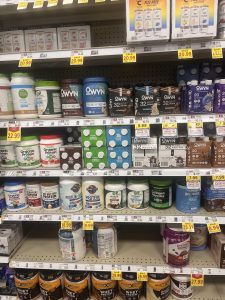
“Wellness influencers will promote different brands to make an extra buck, but their followers see it as a way to get in shape and will buy the product to be just like the influencer,” said Boggs.
Despite its popularity, protein is recommended for consumption in moderation. The USDA food and nutritional services have increased the average intake goal to 1.2-1.6 grams of protein per kilogram of body weight a day. This is an increase from the .8 grams, following a change on Jan. 26 by the USDA.
“Too much protein can give you heart problems and raise cholesterol, especially if you are consuming a lot of red meat. I make sure to take the proper amount, because to me getting protein every day is a no-brainer in my mind, especially as an athlete who must train for many different events,” said Rapp.