



For some college students, buying concert tickets no longer starts with excitement, but rather stress. What was once a straightforward purchase has now evolved into a high-stakes race against time, technology and rising prices.
Whether trying to secure seats for Ariana Grande’s “Eternal Sunshine” tour or AC/DC’s “Power Up Tour,” it can feel less like entertainment and more like a competition.
In recent years, ticket prices have skyrocketed, turning concerts into both a financial and time-consuming burden. Much of that strain has been linked to online ticket resale systems and the platforms that manage them.
Ticketmaster, the primary distributor for many artists, operates as a multinational conglomerate under LiveNation, which produces more than 50,000 concerts annually. Its dominance in the ticketing industry has made it a central figure in ongoing concerns about accessibility and pricing.
For high-profile tours, artists often offer presale opportunities, allowing their fans to register in advance for early access before the general public sale. However, registration is often limited, creating a first-come, first-served system that does not always guarantee tickets.
Fans who receive presale access are notified by email and directed to join a virtual waiting room before sales begin. After entering a queue, ticket availability often depends on timing and demand, with no assurance that tickets will remain once a user reaches the front.
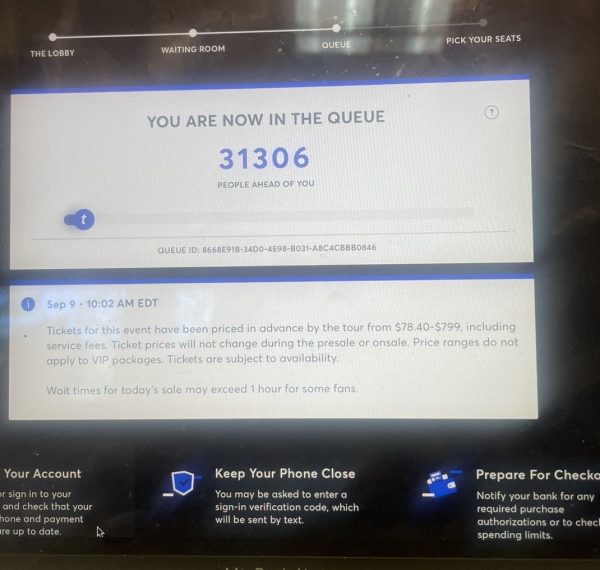
“I was trying to get Ariana Grande tickets for her most recent tour, and I was 30,000 people behind before I could even get in,” said sophomore theater major Jayla Beasley. “By the time I got out of the queue, there were no tickets left.”
With a high demand of people fighting for limited tickets and long queue times, it is only the beginning of Ticketmaster’s problems. During the 2022 sale for Taylor Swift’s “ The Eras Tour,” the site began to experience distress and widespread disruptions, leaving many fans frustrated and unable to complete the purchase.
“When I was getting Taylor Swift tickets for The Eras Tour, it was the most stressful time and I was getting several texts from my friends saying the Ticketmaster site had crashed for them because of the high demand…it was crazy,” said junior psychology major Addison Potts.
While it may seem easy to just use another website to buy tickets, the Federal Trade Commission has shown that Ticketmaster is the leading provider for tickets and handles around 80% of sales for major concert venues, limiting competition in the marketplace.
In September 2025, the FTC filed a lawsuit against Ticketmaster for “coordinating with brokers” and allowing them to be able to buy tickets in bulk and resell them at much higher prices.
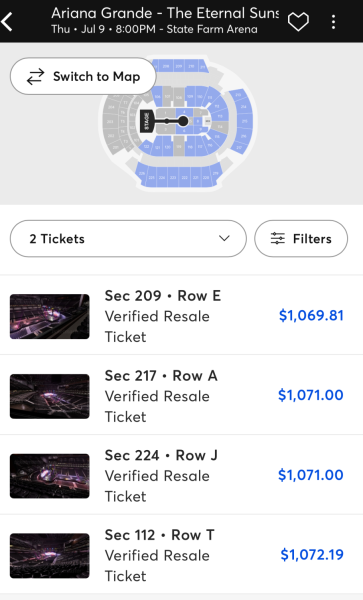
For frequent concertgoers, these types of problems are not out of the ordinary. High-demand tours, including Olivia Dean’s “The Art of Loving Live,” Harry Styles “Together, Together,” and Grandes’ “Eternal Sunshine Tour,” have provided instances where fans have seen ticket prices surge drastically on resale markets.
Seats that typically cost between $100 and $200 are now listed for more than $1,000, even in upper-level sections.
“I tried to get Harry Styles tickets for his concerts in New York, and I had put money aside for tickets, but I was not expecting to see almost $1,000 for just one ticket,” said senior nursing major Claire French. “I may not like how he formatted the tour, after knowing fans have been waiting for over three years, but I also think resellers and dynamic pricing on Ticketmaster has killed the experience of concerts.”
Resale bots, which are automated programs designed to purchase tickets in bulk as soon as sales open, have further complicated access. Despite there being certain laws like the Better Online Ticket Sale Act, bots are still finding ways to bypass.
“I feel like concerts are becoming a luxury item now. It feels more like a class divide and students who may live paycheck to paycheck don’t have the expenses and financial ability to purchase concert tickets that may cost as much as their monthly rent” — Riley Thorton,UNG junior finance major
As a result, many fans feel pressured to turn to resale platforms, often at significantly higher costs.
“It’s sad to say, but I have spent an ungodly amount of money on tickets from sites like StubHub or SeatGeek,” said French. “I spent almost $500 on Beyonce tickets that were in the 300 level in Mercedes-Benz. I know financially it was not smart, but she is one of my favorite artists and I did not want to miss her show.”
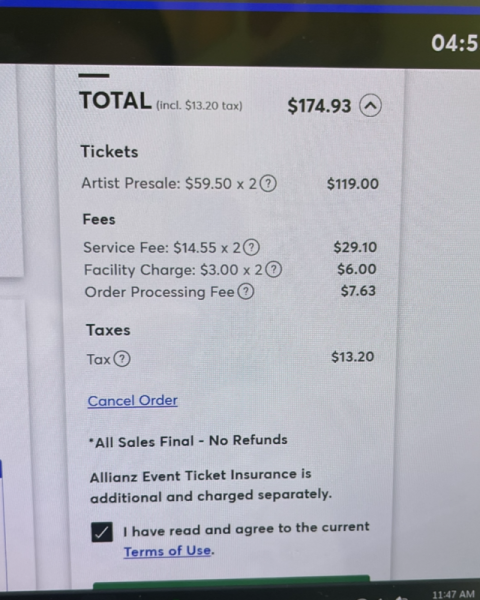
Additional concerns stem from service fees that sites like Ticketmaster have been known to misinform people with. Ticketmaster throws in underlying fees such as service fees and order processing fees that do not show up until fans are completely ready to check out. For example, tickets for Tate McRae’s “Miss Possessive Tour” were initially priced between $60 and $200, but additional fees increased total costs by as much as $60.
Some artists experimented with alternative ticketing approaches. Bruno Mars, during his “The Romantic Tour” stop in Atlanta, sold tickets through the Georgia Tech Athletics website for a performance at Bobby Dodd Stadium, allowing fans to purchase seats at listed prices without added resale inflation.
Still, artists have limited control once tickets enter the broader marketplace. While some, including Olivia Dean and Ariana Grande, have publicly addressed concerns about pricing and resale practices, long-term solutions remain unclear.
“I was bummed to miss out on Olivia Dean’s tour, but I think it’s great to see artists actually speak up about the situation and with more lawsuits unfolding with Ticketmaster, I hope we can see some justice with the ticket prices,” said senior education major Phoebe Crooks.
In the absence of widespread reform, some students are focusing on strategies to avoid overspending.
“My advice for people trying to deal with Ticketmaster is to not panic. Don’t impulsively buy tickets that you cannot afford,” said Thorton. “Sometimes there are tickets sold at the actual box office, which are fairly cheap, so be conscious and understand that you have time to search for the best and cheapest options.”
As ticket prices continue to rise and access remains uncertain, attending concerts has become increasingly difficult for many students. Between long queues, resale markups and service fees, the experience reflects broader concerns about affordability and access in live entertainment.
While demand for live music remains strong, questions persist about whether the current system can provide fair access for the fans it is intended to serve.